Tibetan Medicine is one of the world’s oldest known traditional medicines. With its rich history spanning over four thousand years, it stands out as a holistic approach to wellness. Rooted in the unique geographical and cultural context of Tibet, this time-honored system of medicine emphasizes balance, harmony, and the interconnectedness of mind, body, and energy. Today, Tibetan Medicine is gaining renewed interest for its comprehensive methods and natural remedies.
A profound ability for diagnostics and the creation of personalized medical treatment gives Tibetan Medicine great potential for preventing health issues and both assessing and treating patients in our modern society.
Tibetan Medicine focuses on identifying and addressing the root causes of disease and imbalance and places a strong emphasis on preventive measures to maintain health and avoid illness.
Even if the constitution of the individual, based on the understanding of the five elements theory plays a fundamental role, every aspect of living such as the environment and lifestyle is taken into consideration.
When it comes to a specific diagnosis, Tibetan Medicine places significant importance on digestion, considering that imbalances in any organ or part of the body are most likely due to largely digestive imbalances.
For this reason, each individualized medical treatment always incorporates changes in diet and lifestyle, recognizing that dietary choices serve as a fundamental tool for healing, along with herbal formulas and external treatments.
Holistic Approach

Mental

Emotional

Physical
This system of healing recognizes the interdependence of all aspects of life and considers balance among body, energy, and mind as the key factors to maintain or recover a state of good health.
Tibetan medicine adopts a collaborative approach with Western medicine to address the complex health challenges of our modern society.
Under no circumstances does Tibetan Medicine replace or interfere with medical treatments or consultations with your doctor.
By combining the holistic and individualized principles of Tibetan Medicine with the advanced diagnostics and acute care capabilities of Western Medicine, patients can receive a well-rounded approach to health that addresses their unique needs and circumstances.
Not only does Tibetan Medicine work in harmony with allopathic treatments, but it also offers individuals the tools and knowledge necessary to prevent illnesses and maintain their overall well-being.
History & Values
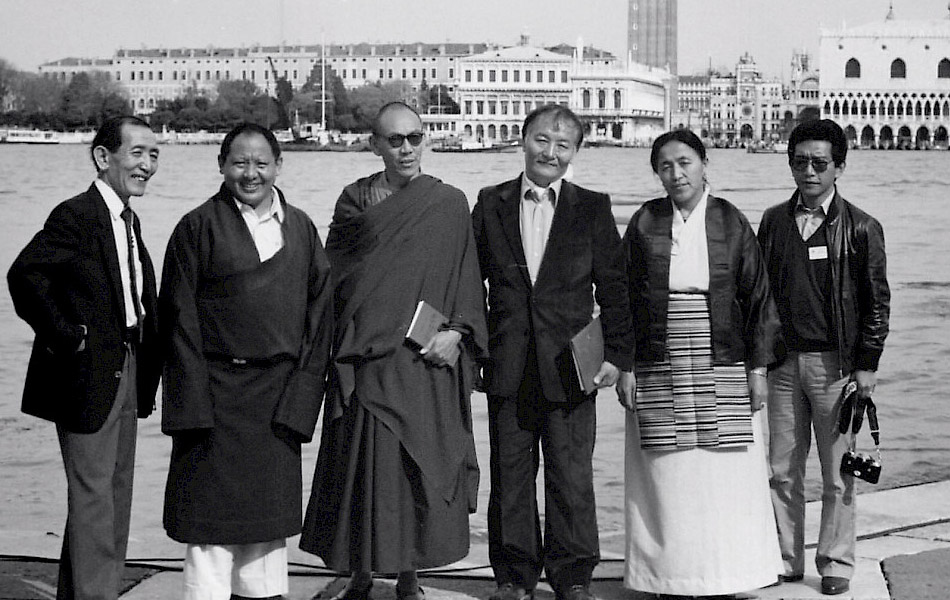
First conference on Tibetan Medicine in the West was held in Venice in 1989
Tibetan Medicine has a long and fascinating history, dating back thousands of years. Originating from the traditional healing practices of the indigenous people of the Tibetan plateau, it was later shaped by a mix of influences, including healing knowledge from India, China, and even Greece and Persia.
Around the 8th century, during a period of cultural growth and after the introduction of Buddhism in Tibet, Medicine was organized and put into writing. This resulted in the creation of essential texts known as the “Four Tantras” or “Gyud Zhi“. These texts still serve as the foundation for the study and practice of Tibetan Medicine today.
The practice of medicine is a highly organized academic program in Tibet. Prestigious universities train students from a young age. There are formalized systems of examination and practical and theoretical training. Through these methods, Tibetan Medicine has flourished for centuries as a profound healing science that continues to prevail today.
Although Tibetan Medicine originates from Tibet’s pre-Buddhist culture, the gradual integration of Buddhist teachings with the indigenous Bon religion led to the creation of a distinct Tibetan Buddhist tradition that influenced all areas of knowledge, including the science of healing. This tradition brings a strong emphasis on Buddhist principles such as compassion, kindness, and wisdom.
The Tibetan Medicine texts state that one of the main motivations for maintaining health in life is to pursue spiritual wisdom.
And as for the conduct of the physicians, they emphasize compassion for all beings, and selfless service for the greater good of the community.
Therefore Tibetan doctors must engage in self-reflection to align themselves fully with the core principles of compassion and service, which constitute fundamental values.
Take the first step towards a healthier and more balanced life
Explore the profound Tibetan Medicine System with our FREE E-BOOK:
"The way of balance"
An Essential Guide to Tibetan Medicine
