
The kidneys perform several essential functions that help maintain the body’s balance. They filter the blood, remove metabolic waste, regulate fluids, and maintain stable levels of important minerals such as sodium and potassium. They also support blood pressure regulation and contribute to the production of hormones involved in red blood cell formation and bone health. Even though they work quietly, the kidneys take part in many processes that allow the body to function smoothly.
In Tibetan Medicine, it is common to use metaphors to describe the functions and importance of body parts and organs. For example, the heart is considered the “king on the throne,” the liver and spleen are the “two queens,” and the large and small intestines are the “queen’s assistants.” The kidneys are regarded as the “external ministers,” or are often compared to the “walls of a house”. The importance of the kidneys is often overlooked, yet this comparison clearly suggests that if they are weak, the entire structure is at risk.
It is crucial to understand what the kidneys do and to take proper care of them. The kidneys belong to the vital principle of Peken (phlegm), meaning they are inherently related to a cold nature, as their main element is water. From this, it is easy to conclude that they can be harmed by diet and behavior associated with cold. Let’s explore this in more detail.
Should You Really Be Drinking Cold Water?
In terms of nutrition, cold drinks—especially raw cold water and cold, carbonated, sweet beverages—are particularly harmful to the kidneys.
Of course, if you have a Tripa (bile) constitution, and it’s summer, and you live in a hot climate and are middle-aged, cold water won’t be as harmful.
Still, it’s recommended to drink cooled, boiled water (not raw). Raw water can significantly weaken the digestive system and kidneys over time. Therefore, in most cases, to prevent and treat kidney problems and other cold-related issues, it’s best to drink warm (even hot) boiled water in the morning and throughout the day. Specifically, warm and boiled—not simply reheated—water. For medicinal purposes, it is recommended to boil the water for 5–7 minutes.
What About Raw Food and the Use of Spices?
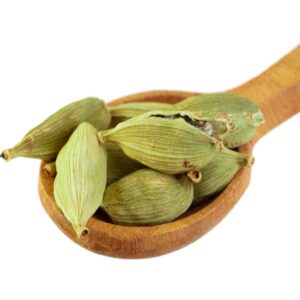 A decoction of green cardamom is also very beneficial for the kidneys. You should add the seeds from 2–3 cardamom pods or ¼ teaspoon of ground cardamom to 1½ cups of water, reduce by one-third over low heat, and drink it warm.
All stimulating and tonic substances—such as energy drinks, coffee, and tea—greatly weaken the kidneys and should be used with extreme caution.
For kidney problems and colds in general, it is essential to avoid raw or uncooked foods. This means food should always be cooked and freshly prepared. Raw vegetables are acceptable in small quantities and not frequently. An excess of any food with cold properties is harmful, such as cabbage, potatoes, pasta, pork, bread, coffee, or tea. This doesn’t mean you should avoid these foods completely, but it’s important to consume them mindfully.

When the kidneys are not functioning at their best, the body can feel less supported, and vitality may decrease. A diet that is too cooling tends to be less helpful for the kidneys and, over time, may contribute to sensitivities such as changes in hearing, discomfort in the reproductive or urinary systems, or a general sense of lower resilience. Emotionally, this imbalance can sometimes be experienced as insecurity, anxiety, or a feeling of reduced inner stability.
To support kidney health, it can also be helpful to keep your feet and lower back warm. In cooler weather, avoiding bare ankles, light shoes, or an exposed lower back is often a simple way to stay more comfortable and protected.
Those who already notice some kidney imbalances may benefit from being a bit more careful, for instance:
– Weakness or fatigue, especially in the lower body
– Feeling cold easily, especially in the lower back and knees
-Dull or aching pain in the lower back or loins
-Swelling in the lower legs or around the eyes (edema)
-Frequent urination or difficulty holding urine
-Frequent nighttime urination
-Reproductive dysfunctions
From an emotional and mental perspective, this may be experienced as:
-Anxiety, fear, or lack of willpower
-Poor memory or concentration
-Dizziness or tinnitus (ringing in the ears)
-Insomnia or disturbed sleep
-Mental fatigue or depression
In addition to adjusting your diet and daily habits, you can also incorporate external treatments that provide gentle dry heat—such as warm salt compresses or hot stone therapy. Wearing a wool belt can offer extra warmth and support as well.
As for spices, as mentioned above, green cardamom is beneficial; you can prepare a decoction with it and add it sparingly to your food.
Some traditional Tibetan preparations and remedies can support the balance of the kidneys, but they should be taken under the guidance of a qualified Tibetan medicine practitioner.
Regarding lifestyle, moderate exercise is essential to prevent the accumulation of excess cold and mucus. Yoga and walking are particularly beneficial, especially for those with a sedentary lifestyle.
Supporting the health of the kidneys—and the body as a whole—can begin with staying attentive and present. This includes understanding your unique constitution and noticing the external conditions that may influence your well-being, such as age, season, general vitality, activity, and environment. Since all aspects of our experience are interconnected, it can be helpful to approach your condition in a way that considers body, energy, and mind as closely linked.
These are general health recommendations and cannot substitute for a medical consultation. If you have symptoms such as fever, urinary, or kidney inflammation, we strongly advise you to consult a qualified doctor and follow the appropriate treatment.
We explore these kinds of topics in depth in our Diet and Lifestyle according to Tibetan Medicine program. If you’re interested in learning more, you’re welcome to join our next course: Educational Program on Diet According to Tibetan Medicine
Stay healthy!
Tibetan Medicine School Team
